Rome vs Florence: Which First-Time Italy Destination Fits Your Travel Style?
Two cities, one train ride apart, two entirely different ideas of what a good day looks like. Rome asks for stamina: you can walk through twenty centuries before lunch and then eat a plate of pasta that justifies the blisters. Florence asks for attention: half the historic centre fits inside a Renaissance painting, and the pleasure comes from slowing down enough to notice it. Neither is the correct first stop in Italy. The real question is what kind of traveller you are on the trip you are actually taking — the hours you keep, the meals you care about, and how much crowd you can absorb before you need a bench and a coffee.
Rome is big, and it is not arranged for your convenience. The metro covers three lines and skips most of the sights, so you will walk — realistically eight to twelve kilometres a day if you are seeing the centre properly. The Colosseum, the Forum and Monti sit in one pocket; the Pantheon, Piazza Navona and Campo de' Fiori in another; the Vatican across the river; Trastevere, Testaccio and the Aventine further out again. A good Rome day is built in clusters, with a long lunch in the middle and a deliberate stop in the shade.
Florence is the opposite. You can cross the historic centre on foot in about twenty minutes, which means you can see the Duomo in the morning, the Uffizi after an early lunch, and the Oltrarno in the late afternoon without ever boarding a bus. The catch is vertical: Brunelleschi's dome is 463 steps, Giotto's campanile is a serious climb of its own, and Piazzale Michelangelo sits up a hill that feels steeper at 6pm than it did at breakfast. Book the dome climb for early morning and you will thank yourself twice.
Roman cooking is direct and salty, built on a handful of pasta shapes and a willingness to use the whole animal. Tuscan cooking is quieter: beans, stale bread, olive oil, and a grill that does very little to a very good steak. Both cities have excellent food and both have terrible food within 200 metres of their main monuments. The rule is the same everywhere — walk ten minutes, look for a short menu in Italian, and be suspicious of photographs of the food outside the door.
For markets, Rome has Testaccio and Florence has San Lorenzo and the Mercato Centrale. Go before noon, bring some cash for small stalls, and treat lunch as the main event rather than something to squeeze between museums.
Rome gives you scale. You stand in the Pantheon and notice that the oculus has been open to the rain for nearly two thousand years. You walk into a ordinary church and find a Caravaggio lit by a coin-operated lamp. Much of the best of Rome is free and unbooked, which makes it a forgiving city for travellers who hate schedules.
Florence gives you concentration. The Uffizi, the Accademia, the Bargello, the Brancacci Chapel, the Medici Chapels and Fra Angelico's frescoes at San Marco are all within a half-hour walk of each other, and each one is a reason to sit down afterwards. Almost all of them are timed-entry, so book on the official museum sites ahead of time and pick one big collection per day. Two heavy museums before lunch is how people end up remembering nothing but the gift shop.
Rome is crowded, but it is large enough to dilute the crowd. Step two streets back from the Trevi Fountain or the Spanish Steps and the city opens up again. Florence is crowded in a narrower way: the streets between the Duomo and the Ponte Vecchio become a slow-moving corridor by mid-morning, especially from May to September. Early mornings and the hours after seven in the evening are the two windows when the centre belongs to residents and to you.
Both cities are better in April, May, late September and October than in high summer, when the heat pushes you indoors at exactly the wrong moment. For breathing room, Rome has Villa Borghese, the Janiculum, the Orange Garden on the Aventine and the long green edge of Villa Doria Pamphilj. Florence has the Boboli and Bardini gardens, the Cascine, and the simple pleasure of the Oltrarno, where the streets are quieter and the workshops still exist.
Rome sits in the middle of a very rich region. Ostia Antica is half an hour from Piramide station and is a proper Roman town with mosaic floors and almost nobody shouting into a microphone. Tivoli has Villa d'Este's fountains and Hadrian's Villa. Orvieto is an easy train ride north, Naples and Pompeii are reachable on the high-speed line, and the coast at Santa Marinella or Fregene works for a half-day of sea.
Florence is a hub for Tuscany and beyond: Siena by bus, Pisa and Lucca by regional train, Bologna in well under an hour on the fast line, and the Chianti hills if you have a car or a driver. Fiesole, on bus 7 from Piazza San Marco, gives you a hill town view without leaving the city's orbit.
If you have four days or fewer, choose one city and stop trying to fit in the other. If you want ancient monuments, big nights in piazzas, a sprawl to explore and a first trip that feels like a city break with ruins attached, pick Rome. If you want walkability, art you have seen on posters since childhood, a hill town feel and food that comes with a glass of Chianti, pick Florence.
Pack shoes for cobblestones, keep some euros for small shops, and remember that cards are widely accepted in both cities. If you are travelling with mobility issues or managing a health condition in summer heat, check museum accessibility pages in advance and speak to your doctor before the trip. And if you can give the trip five or six days, do both cities: Rome for the ancient weight and the noise, Florence for the quiet and the paintings, with a train ride in between that takes less time than a museum queue.
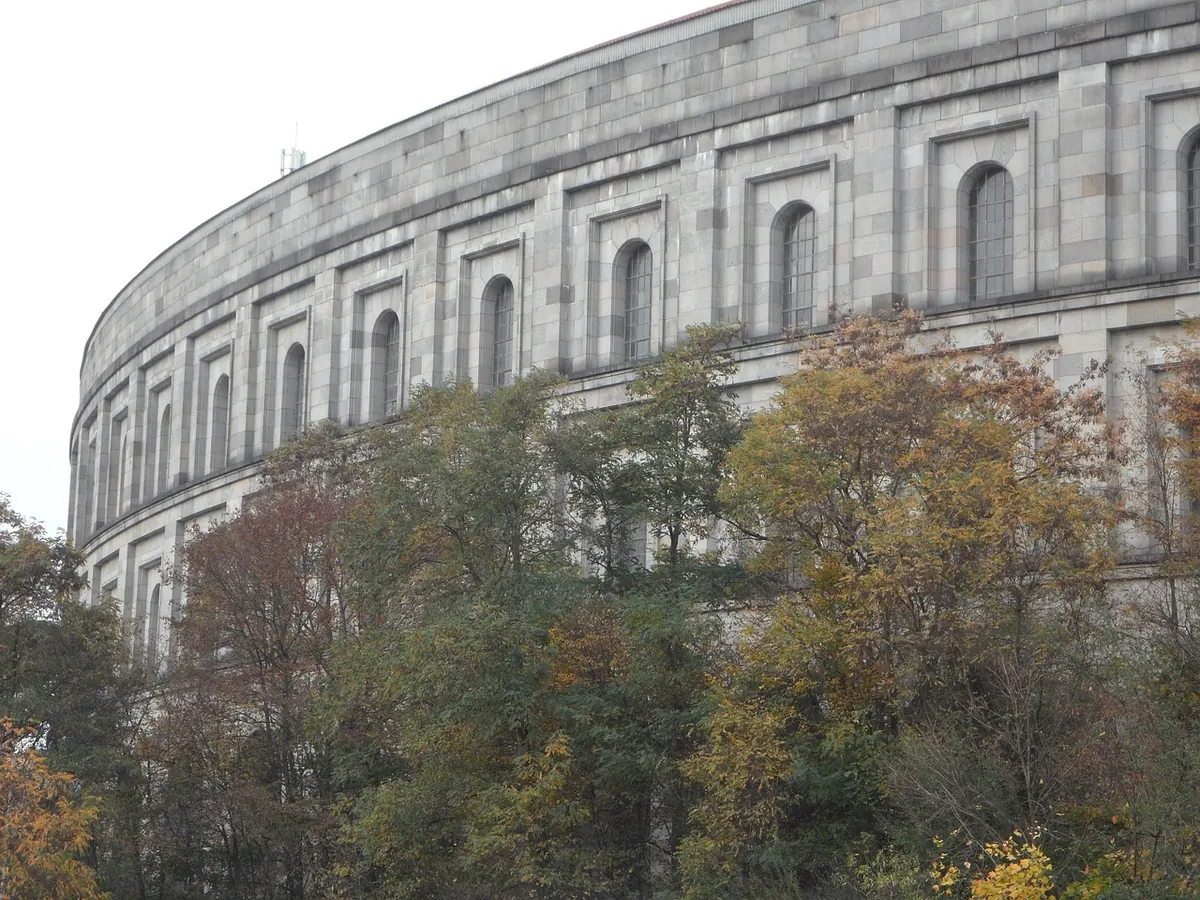
Photo: Efraimstochter / Pixabay
Previous Post
How to Build a 10-Day Italy Itinerary Without Rushing
Next Post
A Beginner's Guide to Overnight Trains in Europe