A Beginner's Guide to Overnight Trains in Europe
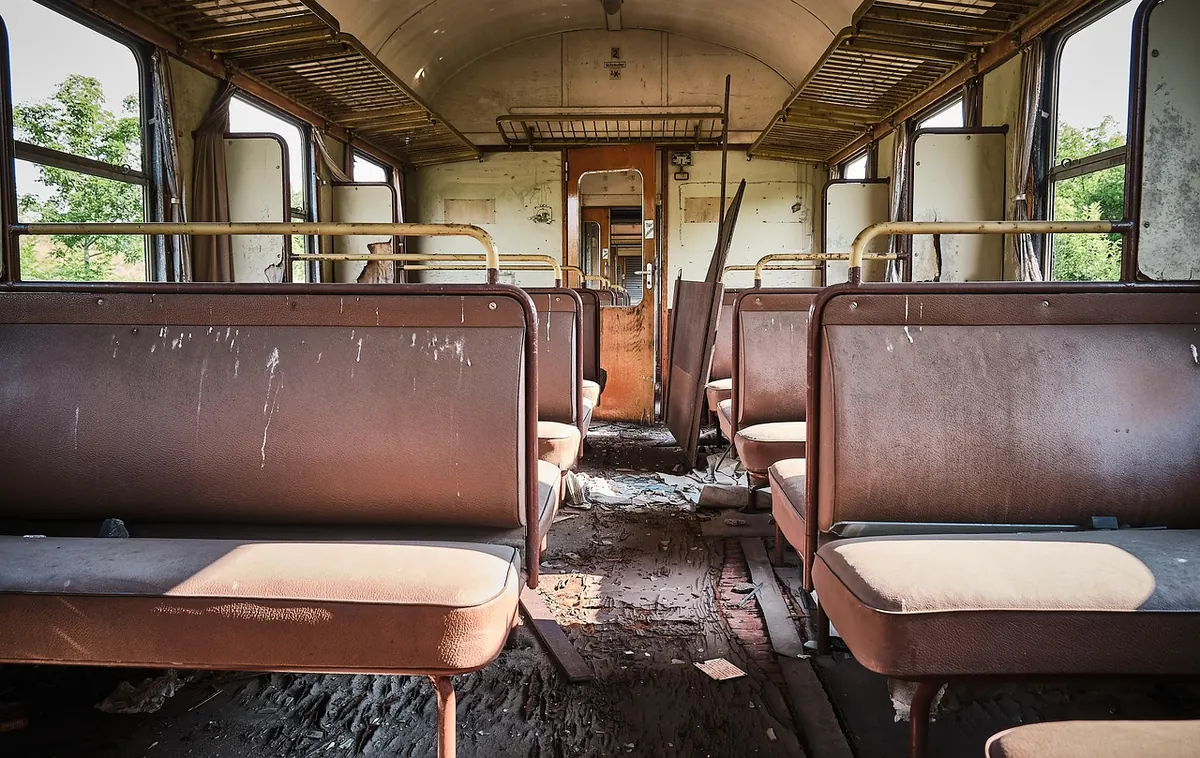
The train slides out of the station just before ten, and by the time you've found your bunk and worked out where to put your boots, the city has already given way to dark fields. You sleep. Somewhere in the middle of the night a conductor knocks quietly, a station light sweeps across the ceiling, and then it's morning: coffee, a new platform, a full day ahead of you. That is the promise of the European night train, and most of the time it delivers, provided you know what you're booking.
A night train is not a hotel that happens to move. It's a ticket from one city to another that includes somewhere to lie down, and the quality of that "somewhere" is the whole story. The same departure can carry passengers paying very different amounts for very different nights: a reclining seat at one end of the train, a private compartment with a shower at the other.
It's also slower than you might expect. Night trains often take ten, twelve, sometimes fourteen hours to cover ground a daytime service would manage in six, because they're routed to arrive at a civilised hour and to avoid blocking busy lines. That's not a flaw. The hours you'd otherwise spend in an airport are now hours you spend asleep, or attempting to.
What you shouldn't expect: perfect punctuality, silence, or a cabin that feels spacious. Sleeper carriages are ingenious uses of about two square metres, and the corridors are narrow enough that two people with backpacks have to negotiate. Go in expecting a small, warm, slightly rattling room and you'll be delighted. Go in expecting a hotel and you'll be disappointed.
Operators use different names, but almost every night train in Europe sells three tiers of comfort.
The cheapest option, and the one to choose only if you're on a tight budget or the journey is short. You get a seat that leans back, usually in an open coach or a six-seat compartment, with the lights dimmed. It's a bus with better legroom. Fine for a six-hour hop; punishing for fourteen.
A couchette is a bunk bed in a shared compartment, typically four or six berths. Bedding, or at least a blanket and pillow, is usually included, and there's space under the bottom bunk for a bag. Six-berth couchettes are the workhorse of European night travel: sociable, cheap, and perfectly comfortable if you can sleep through a stranger's phone alarm. Four-berth versions cost a little more and feel noticeably calmer. Many operators offer women-only couchette compartments, which is worth asking for when you book.
The top tier: a compartment with one, two or three proper beds, a washbasin, a lockable door, and in some cases an en-suite shower and toilet. Breakfast is often included, and on some routes the attendant brings it to your door. A single sleeper on a popular route can cost as much as a mid-range hotel room, while a berth shared in a three-bed compartment can be a bargain. Prices swing widely by route, season and how early you book, so compare before you assume.
In couchettes and shared sleepers you'll be with strangers, usually mixed, occasionally single-sex. In practice this is one of the pleasures of the format: you board alone and disembark having discussed football, hiking routes or the correct way to make coffee with three people from three countries. Bring earplugs and you'll be fine.
Night trains are long, they use scarce paths on busy lines, and a single carriage holds far fewer people than a plane. That combination makes them sell out, particularly on summer weekends, around public holidays, and on any route that connects a ski resort to a city.
Booking windows vary by operator, but many open several months ahead of travel. The general rule: book as soon as your dates are fixed, and if you're travelling in July or August, treat the booking as urgent. The cheapest berths are always the first to go, so waiting rarely saves money on a sleeper.
A few things to keep in mind while you're looking:
One honest comparison worth making: sometimes a daytime train plus a night in a modest hotel costs about the same as a sleeper and gives you a better night's sleep. If you have the time, it's not always the wrong choice.
You carry your own luggage onto the train and into the compartment. There's no checked bag, no trolley service and very little floor space. A soft duffel or a small backpack is far easier to live with than a hard-shell suitcase, which in a six-berth couchette becomes a piece of furniture nobody wants.
Leave the heavy toiletries, the laptop you won't open, and anything you'd panic about losing. Bedding is normally provided in couchettes and sleepers; if you're on a route where it isn't, a thin sleeping-bag liner packs small and solves the problem.
Boarding is calmer than you'd think. You find the coach letter on your ticket, climb in, and a conductor or attendant checks your reservation and shows you to the berth. There's a flurry of bags and shoes, then the train pulls away and everything settles into the rhythm of the rails.
The trick is to treat the journey as part of the trip rather than as dead time between two cities.
Expect interruptions. Trains stop in the night, sometimes for twenty minutes in a siding, sometimes at stations where doors open and light floods in. Police or border officers may board on some international routes; on others you won't be disturbed at all. Carriage doors bang. Somebody in the next compartment has a loud conversation at 2 a.m. Earplugs, again.
Mornings vary by operator and by ticket. In a sleeper you may get coffee and a roll brought to your compartment; in a couchette you'll be woken in time to fold your bedding and gather your things. Arrival is often the best part: you step onto a platform in a city that is just waking up, with a whole day in front of you and no hotel checkout to worry about. Many larger stations have left-luggage lockers, and some have showers, which is worth checking if you're heading straight into a meeting.
Do that, and the night train becomes what it should be: a slow, slightly eccentric, deeply practical way to wake up somewhere new.
Photo: danielkirsch / Pixabay
Previous Post
Rome vs Florence: Which First-Time Italy Destination Fits Your Travel Style?
Next Post
Common Mistakes to Avoid on Your First Trip to Japan