Seasonal Guide: Where to Travel in Europe Each Month
Europe doesn't have one travel season. It has a dozen, and they overlap in awkward ways. The beach you loved in Sicily in June is a furnace in August; the Prague you had almost to yourself in November is a slow-moving queue in July. Choosing a month is really choosing a version of a place, and the version matters more than the postcard.
Here is a working calendar: where Europe tends to be at its best, month by month, with notes on light, crowds, festivals and value.
January is usually the cheapest month to move around Europe, especially after the first week, when the holiday rush drains away. It's also the month that rewards cities built for indoor life: Amsterdam, Vienna, Berlin, Copenhagen, Budapest. Days are short north of the Alps, so plan museum time for the mid-afternoon dark rather than fighting it.
If you want daylight in January, head south. Seville, Valencia, Sicily and Athens offer mild, bright days, terraces that stay open and short queues at the sites that are unbearable in spring. Venice in January is fog, low light and quiet canals, plus the acqua alta that comes with the season — pack shoes you don't mind getting wet.
February belongs to carnival. Venice and Viareggio in Italy, Nice on the French Riviera, Cologne and Basel all put on serious celebrations, and accommodation in Venice needs booking months ahead. If you'd rather skip the costumes, Andalusia's almond blossom is out and the Canary Islands and Madeira are warm enough for walking. In the Alps, ski resorts are busy during school holidays and noticeably calmer midweek in late January.
March is unpredictable, and that's the trade-off for low prices and thin crowds. Rome, Lisbon and Seville are usually pleasant; pack layers and a rain jacket rather than trusting a forecast two weeks out. One thing to check before you commit: Easter moves each year, landing anywhere between late March and late April. Holy Week in Seville is extraordinary, but it's also the most expensive and crowded week of the city's year.
April opens up the north. The Dutch bulb fields are at their peak, with Keukenhof typically running from mid-March to mid-May. Greece wakes up, though island ferries often run reduced schedules until around Easter and the sea is still cold enough to make swimming a brief, bracing affair. City breaks work well almost anywhere: Madrid, Berlin, Kraków, Copenhagen.
May is, for many travellers, the single best month in southern and central Europe. Warm without being hot, long evenings, crowds that haven't yet hardened into queues. Provence, Tuscany, Slovenia, the Portuguese coast and the Croatian shore before the cruise ships settle in all hit a good balance between open-for-business and not-yet-overrun.
In June, shift your attention north. Stockholm's archipelago, Norway's fjords, Scotland, Ireland and the Baltic cities of Tallinn, Riga and Vilnius are all at their most inviting. One warning: Midsummer in late June is a serious holiday in Sweden, Finland and Norway. Transport can thin out and restaurants close for a few days, so check opening hours before you build an itinerary around a specific town.
This is peak season almost everywhere, and it behaves differently in different places. Mediterranean coasts are hot and busy; inland Spain bakes; and in Italy, 15 August (Ferragosto) is when much of the country decamps to the sea. Cities such as Rome and Milan can feel half-empty while some family-run restaurants shut for weeks. Coastal towns fill up instead, and prices follow.
You can still travel well in high summer — you just need a strategy:
September is the month experienced travellers quietly lobby for. The sea holds the summer's warmth, school holidays end, and prices soften without the weather collapsing. Greek islands, Croatia, Italy and southern France all feel more generous. It's also harvest time: the Douro, Chianti and Alsace are worth planning a trip around if wine and long lunches appeal.
October keeps giving in the south — Portugal, Andalusia, Sicily, Cyprus and the Turkish coast remain pleasant for walking and sightseeing. Northern Europe turns grey and damp, but cities become cheaper and museum-friendly, and hotel rates drop outside half-term week, when UK flights spike. Pack for rain and you'll be fine.
November is the quietest month in Europe, and often the most underrated. Lisbon, Seville, Rome and Athens are mild enough for a city break with fewer people in front of every view. Be careful with coastal destinations: plenty of seaside towns in Greece, Croatia and Italy close down for the season, with ferries and restaurants thinning out. Check that your chosen place is actually open. Further north, Tromsø, Icelandic towns and Finnish Lapland offer northern lights territory, though clear skies are never guaranteed and the cold is real.
December means Christmas markets: Vienna, Prague, Strasbourg, Nuremberg, Kraków, Budapest. Go in the first two weeks or on weekdays if you want room to move; the final week before Christmas is the busiest and most expensive. Southern Europe still serves up crisp, bright days, and a December trip to Catania or Málaga can feel like a small rebellion against the season.
Finally, a practical note: for travel insurance, vaccination requirements or any health question, check your government's official travel advice and speak to a doctor or insurer where it matters. A little checking before you book saves a lot of improvising on the ground.
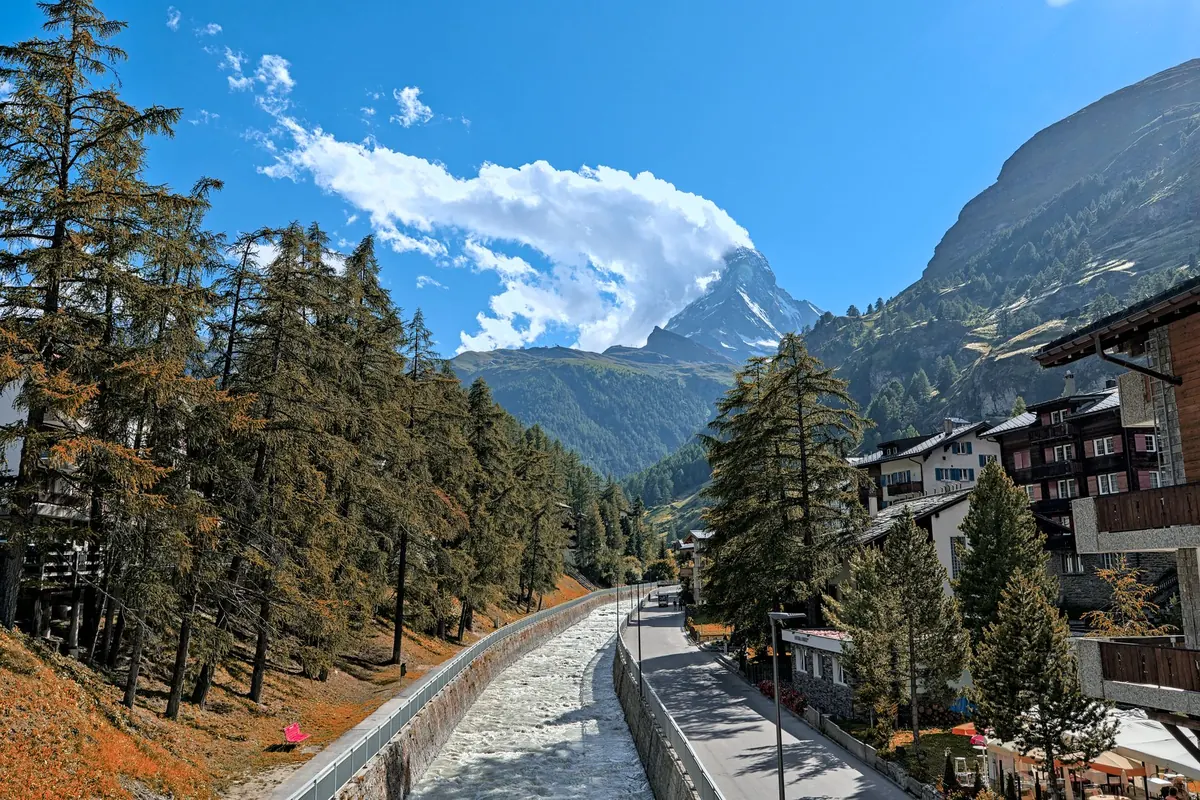
Photo: Jean-Paul Wettstein / Pexels
Previous Post
A Local's Guide to Market Etiquette in Southeast Asia
Next Post
How to Plan a Slow Travel Week in a Single Base Town